When did it become normal for trash to be part of the Havana landscape? Overflowing containers, debris stacked at the corners and mountains encroaching on the sidewalks. Getting used to that picture doesn’t make it acceptable. Just go around the city to see that the problem goes beyond aesthetics: it compromises health and deteriorates the living conditions of those who live there.
The root is in a collection system unable to meet the frequency demanded by a capital. There is a lack of fuel to operate and spare parts that would keep lorries running are scarce. But explaining is not the same as justifying: shortages should not serve as an alibi for state management that fails to keep neighborhoods clean.
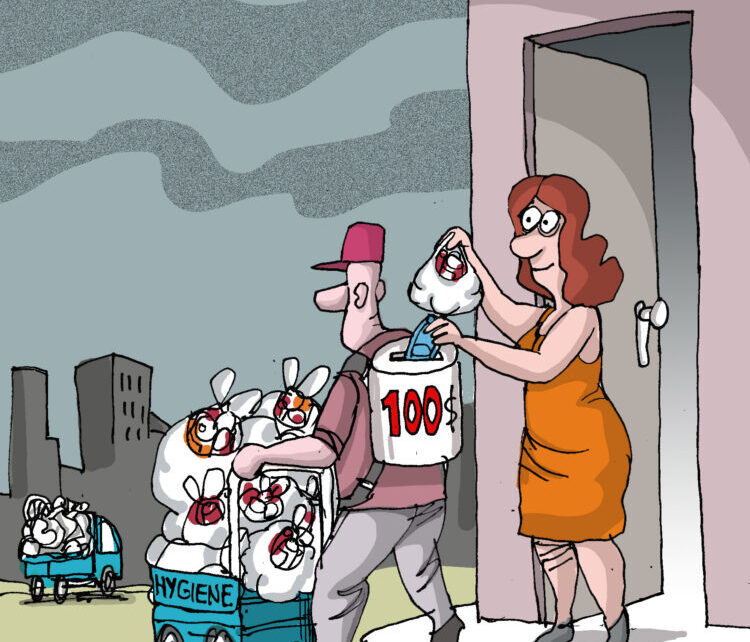
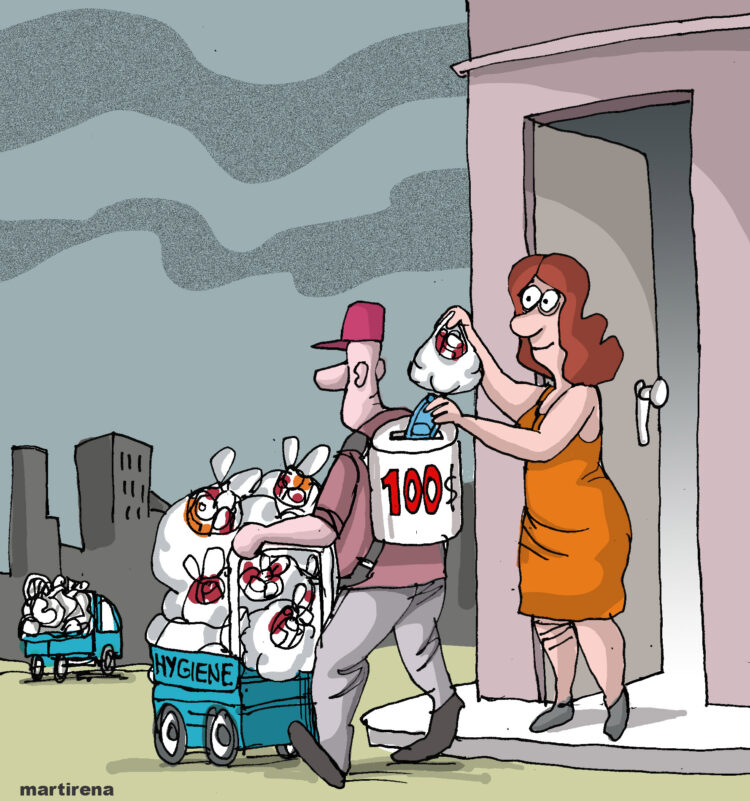
In the face of this vacuum, the private sector has stepped forward. Some SMEs put vehicles and equipment to remove waste, in coordination with state entities. Others bet on neighborhood-scale formulas: local development projects take over the task or independent collectors, who take the waste for money.
What if that was part of the answer? One hundred pesos for a withdrawal is a modest sum compared to what it costs to live with the garbage dump: the deterioration of health, the plague on the door, the bad smell that leaks in the house. Few household expenses return such a visible benefit. That’s why what works in some neighborhoods deserves to be transferred to all municipalities, with support for more actors to join unhindered and also reach the areas now forgotten.
But multiplying initiatives is not the same as taking the state off the scene. A service that directly impacts collective health cannot be left in the hands of the one who offers it and the one who hires it. The formula, then, should be posed not as a choice, but as a sum: private and local initiatives that go further, and an institution that does not abandon its responsibility.
The garbage accumulated in the capital is not a simple matter of image, but a question of health, coexistence and common commitment. A clean city requires everyone to take their share, and the state’s is not dispensable.